
The Anatomy of a Romance Scam: How Fraudsters Build False Trust
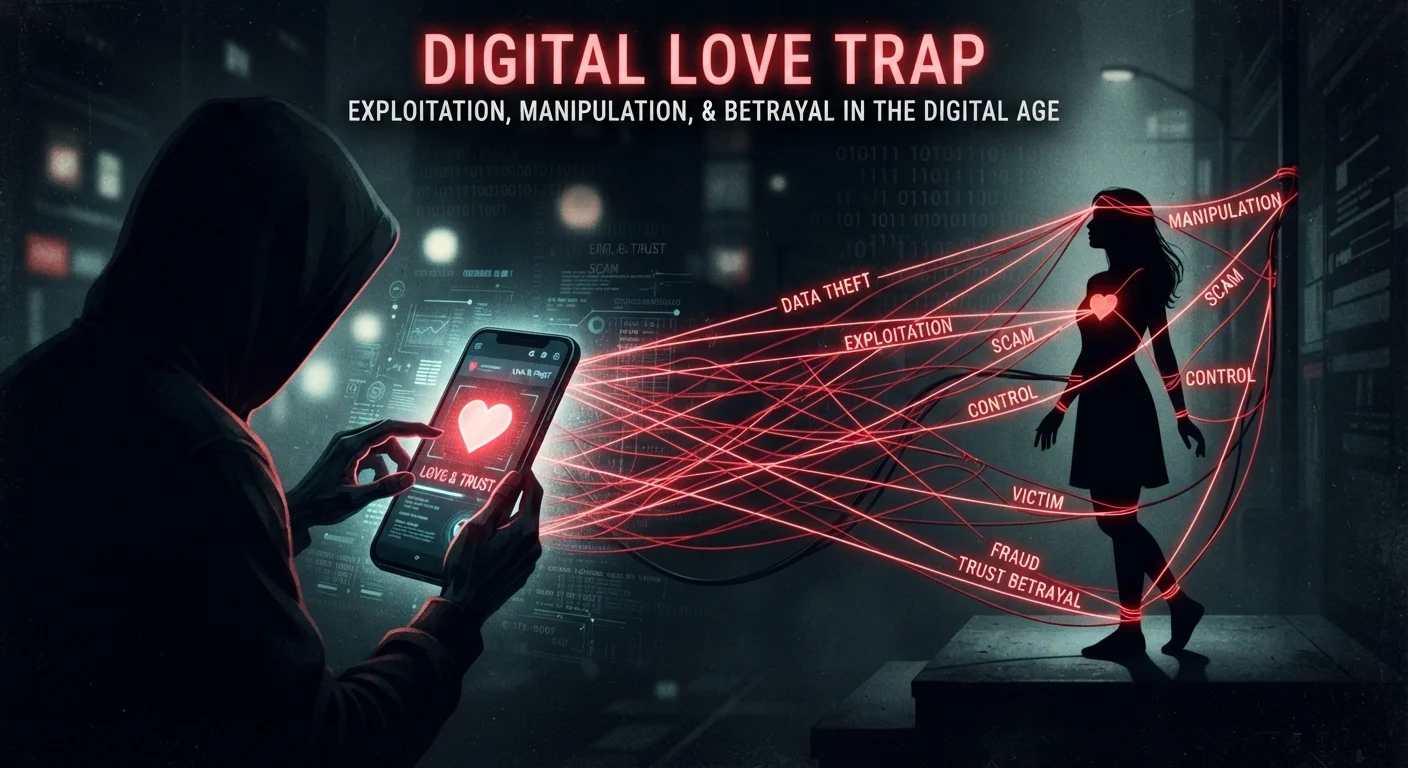
Photo credit: TrendingExperts.net
In this article
Romance scams cost Americans hundreds of millions each year. Learn the psychological tactics scammers use and the red flags to watch for.
Key Takeaways
- Romance scammers invest significant time building emotional bonds before making any financial request.
- The Federal Trade Commission reported Americans lost over $1.3 billion to romance scams in 2022.
- Common scammer personas include military personnel, doctors, or engineers working abroad.
- Requests to move communication off a dating platform are a major early warning sign.
- Reverse image searches can reveal whether a profile photo belongs to someone else.
- Anyone can be targeted - romance scams affect people of all ages, backgrounds, and education levels.
How the Playbook Begins
Romance scammers do not rush. The opening phase of a romance scam is almost indistinguishable from the beginning of a genuine relationship - and that is entirely by design. The scammer creates a polished, believable profile using stolen photographs, often of real people such as military members, doctors, or engineers. They choose identities that project trustworthiness and suggest a reason for physical distance.
Initial conversations are warm, attentive, and focused on the victim. The scammer asks thoughtful questions and remembers small details - creating the illusion of genuine interest. This phase can last days, weeks, or even months with no mention of money at all. The sole goal is to establish emotional attachment before any request is made.
One reliable early warning sign: a push to move the conversation off the original platform. Scammers prefer private messaging apps because they offer less oversight and make it harder for platforms to detect and remove the fraudulent account. For a broader look at how manipulators operate across digital channels, see our guide on social engineering tactics that don't involve email.
The Psychological Architecture of False Trust
Romance scams work because they exploit real psychological needs - the desire for companionship, the tendency to reciprocate kindness, and a deeply human reluctance to believe someone we care about is lying to us. Scammers use a technique sometimes called "love bombing": an overwhelming flood of affection, compliments, and declarations of connection early in the relationship.
$1.3B+
Lost to romance scams in the U.S. in 2022
According to the Federal Trade Commission's Consumer Sentinel Network data published in 2023.
19,000+
Romance scam reports filed with the FTC in 2022
The FTC's 2023 report on romance scams noted this figure, with actual losses likely higher due to underreporting.
$10,000
Median individual loss per romance scam victim
The FTC identified this as the median reported loss in 2022, far higher than most other fraud categories.
Once attachment forms, the scammer begins introducing small tests - minor requests for money or personal details - to gauge the victim's willingness. If these are successful, the requests escalate. The victim is often already emotionally committed by this point, which makes it psychologically painful to accept that the relationship is fabricated. Researchers who study fraud consistently note that this emotional investment, not naivety, is what makes romance scams effective against intelligent, capable people.
Scammers also use isolation tactics, subtly encouraging the victim to keep the relationship private and discouraging outside perspectives. This limits the chance that a friend or family member will raise concerns before the fraud is complete.
Red Flags That Signal a Scam in Progress
While every romance scam has unique elements, the underlying patterns are consistent enough to recognize. Watch for these warning signs:
- They cannot meet in person - and always have a reason: overseas deployment, medical work abroad, an offshore oil rig, or a business crisis.
- Profile photos look too polished - a reverse image search may reveal they belong to a real person with a completely different identity.
- The relationship moves very fast - declarations of love within days or weeks of first contact are a significant red flag.
- Financial requests follow a crisis narrative - unexpected emergencies, hospital bills, or flight costs to finally visit the victim.
- They avoid video calls - or the video is always blurry, frozen, or unavailable.
- Inconsistencies accumulate over time - details about their life, job, or location shift or contradict earlier statements.
Use a Reverse Image Search Early
Before your emotional investment deepens, run the person's profile photos through Google Images or TinEye. Simply upload the image or paste its URL to check whether it appears elsewhere online under a different name. Scammers frequently reuse photos of real people found on social media or stock photo sites. This single step takes less than a minute and can quickly reveal a fake identity.
Payment method is also telling. Scammers overwhelmingly prefer wire transfers, gift cards, or cryptocurrency - payment methods that are difficult or impossible to reverse. A request to pay via any of these channels should prompt serious caution.
What to Do If Something Feels Wrong
Trust the discomfort. If something about an online relationship feels inconsistent or too perfect, that instinct deserves attention - not dismissal. Talking to a trusted friend or family member about the relationship can provide valuable outside perspective, especially when emotional investment has made it hard to evaluate clearly.
Practical steps if you suspect a scam include: stop sending money or personal information immediately; do not send anything more even if you feel guilty about the relationship. Report the account to the platform it originated on. File a report with the Federal Trade Commission at ReportFraud.ftc.gov and with the FBI's Internet Crime Complaint Center (IC3) at ic3.gov. Reporting matters - it helps investigators track patterns and potentially shut down criminal networks harming others.
For a comprehensive overview of protecting yourself across all digital threats - not just scams - our guide on staying safe online from end to end covers the full landscape of habits and protections worth building.
Frequently Asked Questions

Author
Technology Editorial Team
Technology Editorial Team is the collective byline for our editorial team and contributor network. Articles published under this byline or an editorial pen name are researched, written, and reviewed according to our editorial standards for clarity, consistency, and independence before publication.
View all articles →