
Understanding Material Grades and What They Mean for Longevity
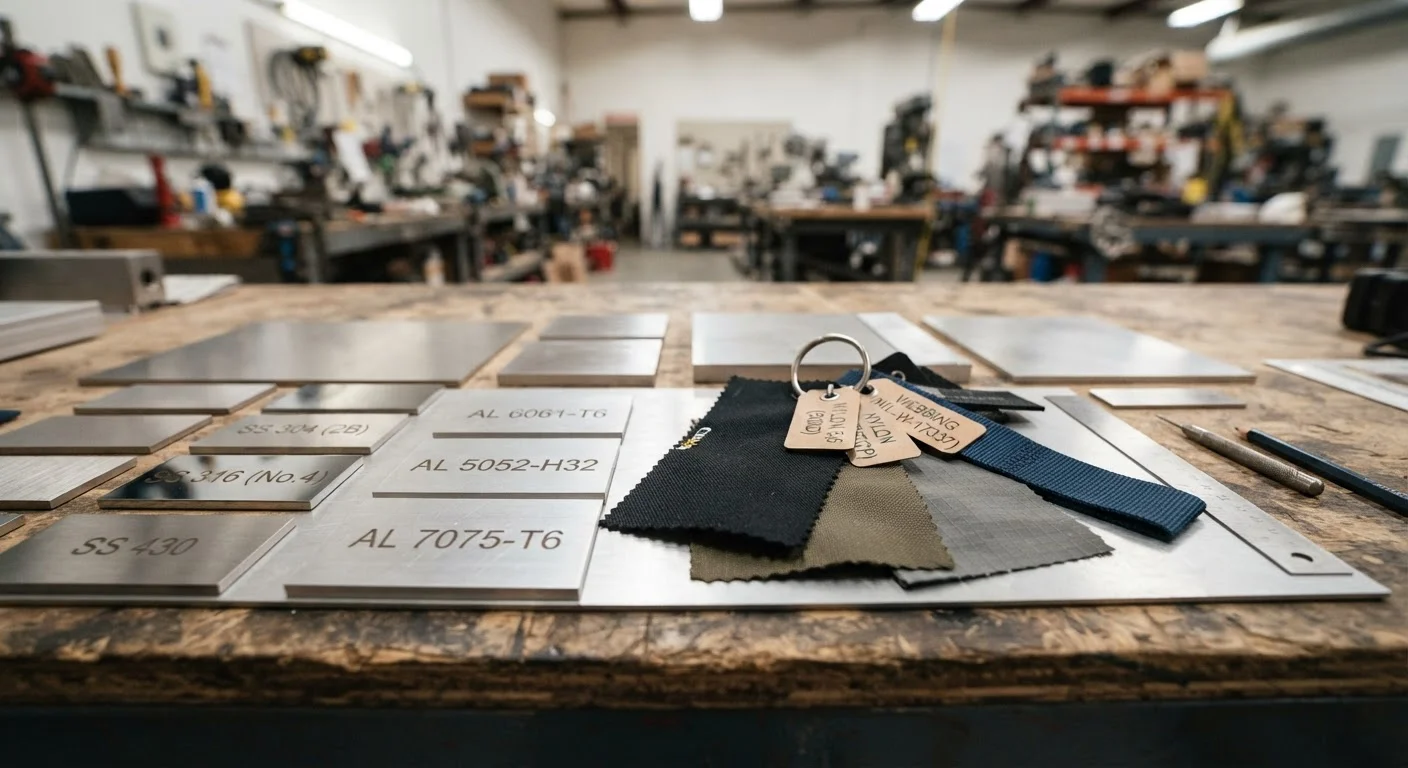
Photo credit: TrendingExperts.net
In this article
304 vs. 430 stainless steel. 600D vs. 1680D nylon. Material grades shape how long a product lasts. Learn how to read them across common product categories.
Why Material Grades Exist
A material grade is a standardized designation - usually a number, letter code, or combination - that describes a material's specific composition, processing method, or structural properties. These grading systems exist because the word "stainless steel" or "nylon" alone tells you almost nothing useful. Two products can both be labeled "stainless steel" while differing dramatically in corrosion resistance and load-bearing capacity.
Grade systems are maintained by industry and standards bodies - such as ASTM International, the Society of Automotive Engineers (SAE), and the American Iron and Steel Institute (AISI) - and are applied across metals, polymers, textiles, lumber, concrete, and more. When a manufacturer publishes a material grade, they're providing a verifiable reference point that goes beyond marketing language. When they don't publish it, that itself is information worth noting.
Understanding how to read these designations helps you apply the same evaluative lens across very different product categories. See our guide to what quality actually means when shopping for the broader framework this fits into.
| Grade 304 Stainless Steel | 18% chromium, 8% nickel - most common food-safe and general-use grade (AISI/SAE steel classification system) |
| Grade 316 Stainless Steel | Adds molybdenum for superior chloride and saltwater resistance (AISI/SAE steel classification system) |
| 1680D Nylon | High-denier weave used in heavy-duty luggage and tactical applications (Textile industry denier standard) |
| 7075 Aluminum | Zinc-alloyed, among the highest tensile strengths in common aluminum alloys (Aluminum Association alloy designation system) |
| 6061 Aluminum | Magnesium-silicon alloy balancing strength, weldability, and corrosion resistance (Aluminum Association alloy designation system) |
| "Aircraft-grade aluminum" | Marketing phrase - not a recognized standards designation |
Common Grade Systems by Product Category
Stainless Steel
The most frequently encountered stainless grades in consumer products are 304 and 316 on the higher end, and 430 on the lower end. Grade 304 contains roughly 18% chromium and 8% nickel, making it resistant to oxidation and most everyday acids. Grade 316 adds molybdenum, giving it stronger resistance to chlorides - relevant for cookware, marine environments, or medical-grade applications. Grade 430 is a ferritic alloy with no nickel, which reduces cost but also reduces corrosion resistance and makes it unsuitable for high-humidity or saltwater exposure.
Nylon and Ballistic Fabric
Denier (D) measures the linear density of a fiber - specifically, the mass in grams of 9,000 meters of a single fiber. Higher denier means thicker, heavier threads. 600D nylon is lightweight and adequate for low-stress applications like casual backpacks. 1000D and especially 1680D nylons are significantly more abrasion-resistant and are used in luggage and tactical gear designed for heavy daily use. Denier alone doesn't dictate quality - weave pattern and coating matter too - but it sets the ceiling for what a fabric can physically withstand.
Aluminum Alloys
Aluminum alloys use a four-digit system. The first digit indicates the primary alloying element: 1xxx series is nearly pure aluminum (soft, corrosion-resistant but weak); 6xxx series uses magnesium and silicon for a balance of strength and workability common in bicycle frames and structural parts; 7xxx series (like 7075) uses zinc for maximum tensile strength, found in aerospace and premium outdoor equipment. A product listing "aircraft-grade aluminum" without a specific alloy number is a red flag - it's a marketing phrase, not a standard designation.
Material Grade
A standardized code describing a material's specific composition or performance properties. It provides an objective reference point beyond generic category names like 'steel' or 'plastic.'
Denier (D)
A unit measuring the linear density of fibers: the mass in grams of 9,000 meters of a single fiber strand. Higher denier generally indicates a thicker, more abrasion-resistant fabric.
Alloy
A material made by combining a base metal with one or more other elements to improve specific properties such as strength, corrosion resistance, or workability.
Ferritic Stainless Steel
A category of stainless steel with high chromium but little or no nickel content. It is generally less corrosion-resistant than austenitic grades like 304 or 316 and is used where cost is a primary driver.
ASTM International
A global standards organization that publishes widely used technical standards for materials, products, and testing methods across many industries.
Tensile Strength
The maximum stress a material can withstand while being stretched or pulled before breaking. It is a key indicator for structural and load-bearing applications.
How to Apply This When Evaluating a Product
The goal is to move from vague descriptors to verifiable specifications. Here's a practical approach:
- Find the published grade. Check the product listing, specification sheet, or manufacturer's product page. If a grade isn't published, consider whether the omission is meaningful - premium materials are typically worth advertising.
- Match the grade to your actual use conditions. A 304 stainless water bottle is appropriate for most uses; if you're using it near saltwater regularly, 316 becomes relevant. A 600D nylon laptop sleeve is fine for occasional carry; daily commuting across rough surfaces warrants higher denier.
- Cross-reference the grade against the price. Higher grades carry genuine manufacturing cost. A product claiming a premium-grade material at an unusually low price warrants scrutiny - either the grade claim is unverified or other cost-cutting occurred elsewhere in construction.
- Look for third-party verification. Certifications from testing organizations, or data sheets from material suppliers referenced by the manufacturer, carry more weight than unverified in-house claims.
For a deeper look at navigating spec sheets across all product types, see our guide to reading product specification sheets.
Grade Claims Are Only as Good as Their Source
A material grade printed in a product listing is a manufacturer's claim, not an independently verified fact unless a third-party certification accompanies it. For high-stakes purchases - tools, safety equipment, medical-grade cookware - request the material data sheet or look for testing certifications from recognized bodies. Reputable manufacturers in competitive markets typically have this documentation available.

Author
Shopping Editorial Team
Shopping Editorial Team is the collective byline for our editorial team and contributor network. Articles published under this byline or an editorial pen name are researched, written, and reviewed according to our editorial standards for clarity, consistency, and independence before publication.
View all articles →