
What to Do When a Product Arrives Damaged or Defective
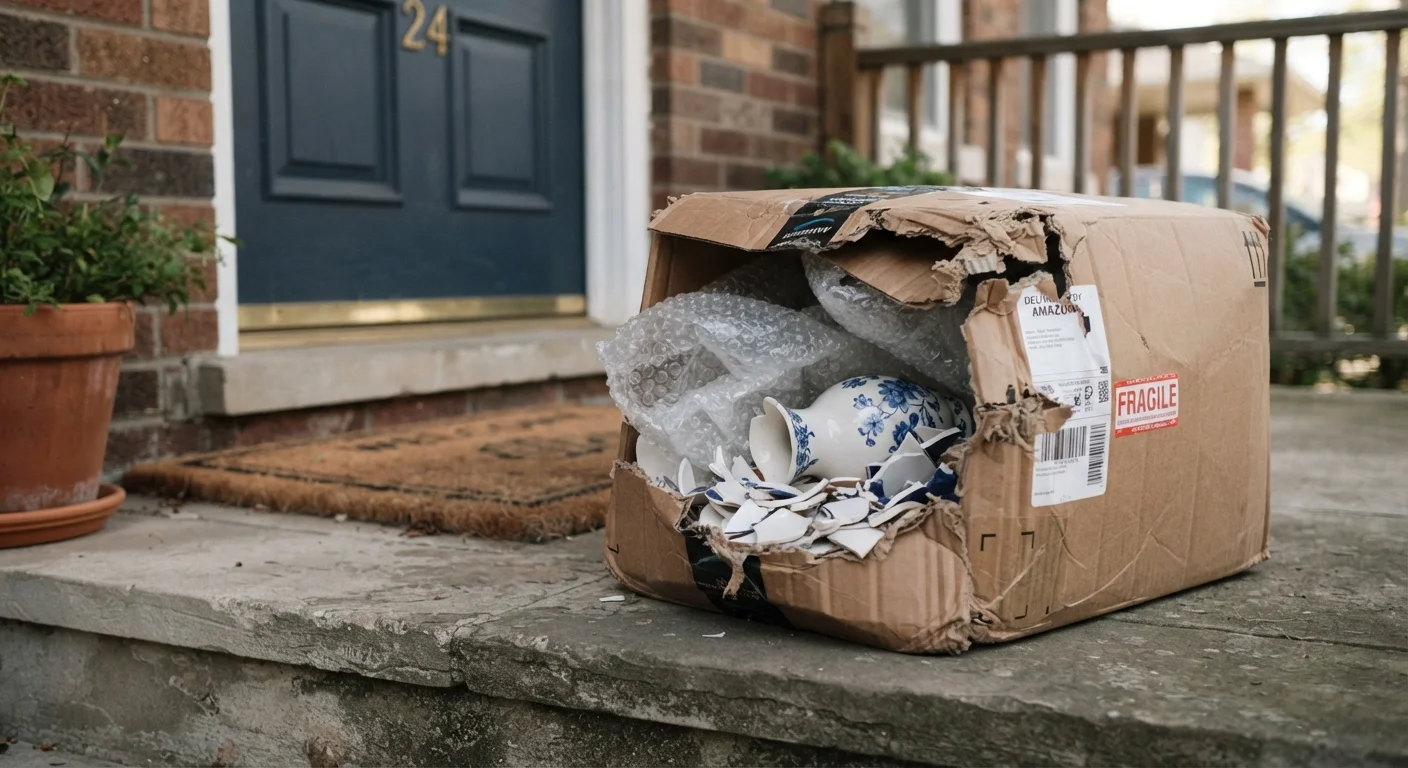
Photo credit: TrendingExperts.net
In this article
Received something broken or not as described? Here's a step-by-step walkthrough of your options — from contacting the seller to escalating a claim.
Key Takeaways
- Document damage with photos immediately before touching or discarding any packaging.
- Your first step is always contacting the seller directly - most issues are resolved there.
- Credit card chargebacks and platform dispute tools are legitimate escalation options if the seller is unresponsive.
- Federal and state consumer protection laws give you rights regardless of a retailer's posted return policy.
- Keeping records of every communication significantly strengthens any formal complaint or dispute.
Know Your Rights Before You Act
Receiving a broken or misrepresented product is a clear consumer harm - and U.S. law recognizes it as such. Federal protections, including the Magnuson-Moss Warranty Act and the Fair Credit Billing Act, as well as individual state consumer protection statutes, establish that you are entitled to receive what you paid for in the condition advertised. A retailer's internal return policy cannot override these baseline legal protections, though it may offer additional convenience. For a grounded primer on these protections, see our guide to consumer rights every shopper should understand.
Understanding this baseline matters because it shapes how you communicate with sellers. You are not requesting a favor - you are asserting a right. Approaching the situation from that position, while remaining professional, tends to produce faster and more complete resolutions.
What you will need
Step-by-Step: Resolving a Damaged or Defective Item
Work through the steps below in order. Most situations are resolved within the first two or three steps without needing to escalate further.
Don't Discard Packaging Before Documenting
Throwing away the box, packing materials, or damaged items before photographing them is one of the most common - and costly - mistakes shoppers make. Sellers, carriers, and payment processors all may require photographic evidence to approve a claim or refund. Keep everything, including the outer shipping label, until the matter is fully resolved.
Document the Damage Immediately
Before moving, opening further, or discarding anything, photograph and video the item in the condition it arrived. Capture the outer box (including the shipping label), any visible damage to packaging, and the defective or broken product itself. Date-stamped photos are ideal - most smartphones log this metadata automatically.
Review the Seller's Return and Damage Policy
Locate the retailer's or marketplace's policy on damaged or defective items. This is typically found in the order confirmation email, the retailer's help center, or the platform's buyer protection terms. Note the return window, any required steps (such as requesting a return label before shipping anything back), and whether a replacement or refund is offered.
Contact the Seller in Writing
Reach out to the seller or retailer directly via email or their official messaging platform. State clearly that the item arrived damaged or defective, attach your photographic evidence, and specify the resolution you are requesting - refund, replacement, or repair. Keep your tone factual and professional. Most legitimate sellers resolve clear-cut damage claims at this stage.
Escalate Within the Platform If Needed
If you purchased through an online marketplace (such as a major e-commerce platform), most offer a formal buyer dispute or claim process separate from the individual seller. Open a case through the platform's resolution center, attach your evidence, and follow the platform's timeline requirements. Marketplace protections can compel a refund even when an individual third-party seller is unresponsive.
File a Chargeback With Your Payment Provider
If the seller and platform dispute process both fail to resolve the issue, contact your credit card issuer or payment service (such as a digital wallet provider) to dispute the charge. Under the Fair Credit Billing Act, credit card holders have the right to dispute charges for goods that were not delivered as described. Provide your documentation - photos, correspondence, and proof of purchase - when filing. Be aware that chargeback windows typically run 60 to 120 days from the statement date, depending on the issuer.
Report to Consumer Protection Agencies
If a seller engages in deceptive practices - such as misrepresenting a product's condition or refusing legally required refunds - you can file a complaint with the Federal Trade Commission (FTC) at reportfraud.ftc.gov, your state attorney general's consumer protection office, or the Better Business Bureau. These reports may not yield an immediate personal remedy, but they create a record that can trigger enforcement action and warn other consumers.
Return Windows Can Close Quickly
Many retailers and third-party marketplaces impose return windows as short as 15 to 30 days from the delivery date. Waiting too long - even while communicating with the seller - can forfeit your right to a straightforward return. Note the deadline on the day the item arrives and act before it passes, even if negotiations are ongoing.
Put Every Communication in Writing
Even if you speak with a customer service representative by phone, follow up with an email summarizing what was discussed and what resolution was promised. Written records create a clear timeline that is invaluable if you need to escalate to a chargeback, a state attorney general complaint, or small claims court.
Common Pitfalls That Undermine Your Claim
Even a legitimate damage claim can stall or fail if it is handled poorly. The most frequent missteps include discarding packaging before documenting it, waiting past the return window, and failing to keep written records of all communications. For a fuller breakdown of what commonly goes wrong - and how to avoid it - refer to our article on mistakes that weaken your consumer complaint.
One important nuance: if damage is visible on the outer box at delivery, note it with the carrier's driver if possible, or flag it in the carrier's delivery app immediately. Some claims - particularly those involving carrier liability - require damage to be reported before the delivery is accepted or within a very short window afterward.
For a comprehensive look at your full range of rights and remedies across the entire shopping lifecycle, the Consumer Rights From Start to Finish guide covers warranties, fraud protections, and escalation pathways in detail.

Author
Shopping Editorial Team
Shopping Editorial Team is the collective byline for our editorial team and contributor network. Articles published under this byline or an editorial pen name are researched, written, and reviewed according to our editorial standards for clarity, consistency, and independence before publication.
View all articles →