
Understanding the Magnuson-Moss Warranty Act
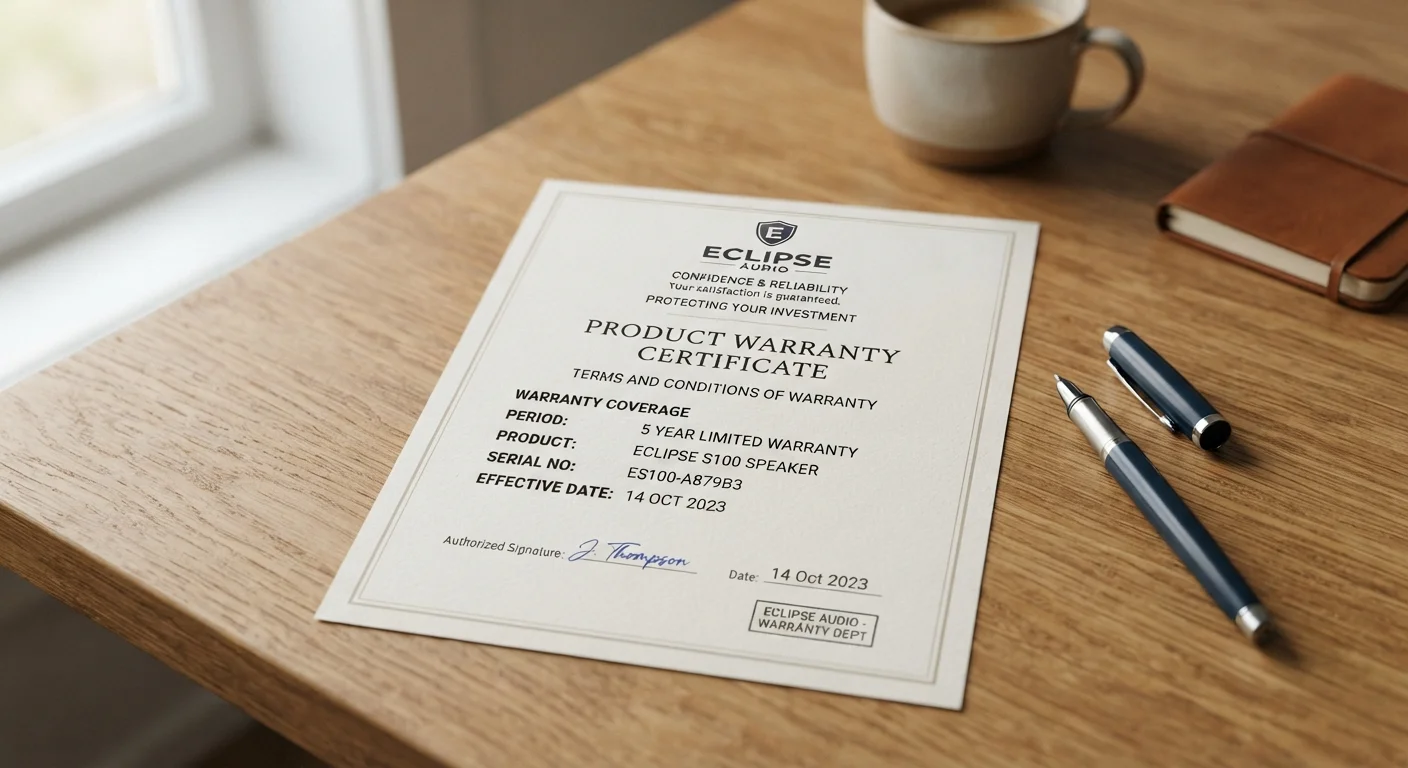
Photo credit: TrendingExperts.net
In this article
This 1975 federal law shapes how warranties must be written and honored. Here's what it means for consumers buying products in the U.S.
Key Takeaways
- The Magnuson-Moss Warranty Act has governed consumer product warranties in the U.S. since 1975.
- Manufacturers are not required to offer warranties, but if they do, federal disclosure rules apply.
- Warranties must be labeled "full" or "limited" and written in clear, understandable language.
- The law protects implied warranty rights and limits how manufacturers can waive them.
- Consumers can take warranty disputes to federal or state court under this Act.
- The FTC enforces compliance and has issued regulations detailing exactly what disclosures are required.
What the Law Actually Does
Passed by Congress and signed into law in 1975, the Magnuson-Moss Warranty Act was created to address a specific consumer frustration: warranty documents that were long, confusing, and nearly impossible to enforce. Before the law existed, companies could write warranties in ways that gave consumers far fewer protections than they believed they were getting.
The law works on several levels. First, it requires that any written warranty on a consumer product costing more than $15 be made available to buyers before they complete the purchase - not buried in a box they open at home. Second, it mandates that warranties be written in plain, understandable language. Third, it requires each warranty to be clearly labeled as either "full" or "limited," terms with precise legal meanings under the Act.
It's part of a broader framework of protections - see the federal laws that protect American shoppers for more context on where it fits.
1975
Year the Act was signed into law
The Magnuson-Moss Warranty Act was enacted by the 93rd U.S. Congress and has been in force for nearly five decades.
$15
Minimum product price triggering disclosure rules
FTC regulations under the Act specify that written warranty disclosure requirements apply to consumer products sold for more than $15.
3
Key FTC rules implementing the Act
The FTC enforces the Act through the Disclosure Rule, the Pre-Sale Availability Rule, and the Dispute Resolution Rule.
Full vs. Limited Warranty: Why the Labels Matter
The full/limited distinction is one of the Act's most practical contributions. A full warranty obligates the warrantor to repair or replace a defective product within a reasonable time, at no cost to the consumer. If the product can't be fixed after a reasonable number of attempts, the consumer is entitled to a replacement or refund.
A limited warranty can narrow coverage in various ways - shorter duration, coverage of only certain components, or exclusion of labor costs. What it cannot do is hide those limitations in fine print. Consumers must be able to identify the restrictions before buying.
Understanding what these labels legally commit a seller to is closely related to decoding the specific language used in warranty documents. Warranty terms decoded breaks down what common phrases like "defects in materials and workmanship" actually mean in practice.
Read the Warranty Before You Buy
Under the Magnuson-Moss Act's Pre-Sale Availability Rule, retailers must make warranty documents accessible to you before purchase - either displayed near the product or available on request. If a retailer can't produce the warranty before you buy, that's worth noting. Reading it in advance helps you understand exactly what coverage you're getting and spot any limitations that might affect your decision.
Implied Warranties and the Tie-In Sales Prohibition
One of the Act's less-discussed but significant protections involves implied warranties - the baseline assurances that exist under state law even when no written warranty is offered. Under Magnuson-Moss, a seller cannot completely disclaim implied warranties if they've provided any written warranty at all. They may limit the duration of implied warranties to match the written warranty period, but they cannot eliminate them outright.
This matters because implied warranties - particularly the implied warranty of merchantability, which guarantees a product will work for its ordinary purpose - are often the consumer's last line of protection. For a deeper look at how these interact, implied warranty vs. express warranty covers both types in detail.
The Act also prohibits tie-in sales conditions - meaning a manufacturer generally cannot require you to use their branded parts, accessories, or repair services as a condition of keeping your warranty valid. If they want to make that a requirement, they must provide those items free of charge.
How Consumers Can Enforce Their Rights
When a warrantor fails to honor a written warranty, Magnuson-Moss gives consumers a path to legal recourse. Disputes can be brought in federal district court or appropriate state court. Notably, the Act allows prevailing consumers to recover reasonable attorney's fees - a provision that makes it more feasible to pursue claims that might otherwise be too small to litigate.
Before going to court, many warrantors use informal dispute resolution mechanisms (sometimes called arbitration programs). The Act allows this, but such programs must meet FTC standards for fairness to be binding on consumers.
The FTC actively enforces the Act and has issued detailed regulations - known as the Disclosure Rule, the Pre-Sale Availability Rule, and the Dispute Resolution Rule - that specify exactly how warranty obligations must be met.
If you're making a significant purchase, understanding your warranty rights before you buy is part of being a prepared consumer. Consumer rights every shopper should understand offers a broader grounding in the protections that apply when real money is involved.
Frequently Asked Questions

Author
Shopping Editorial Team
Shopping Editorial Team is the collective byline for our editorial team and contributor network. Articles published under this byline or an editorial pen name are researched, written, and reviewed according to our editorial standards for clarity, consistency, and independence before publication.
View all articles →