
Consumer Rights Myths That Keep Shoppers From Pushing Back
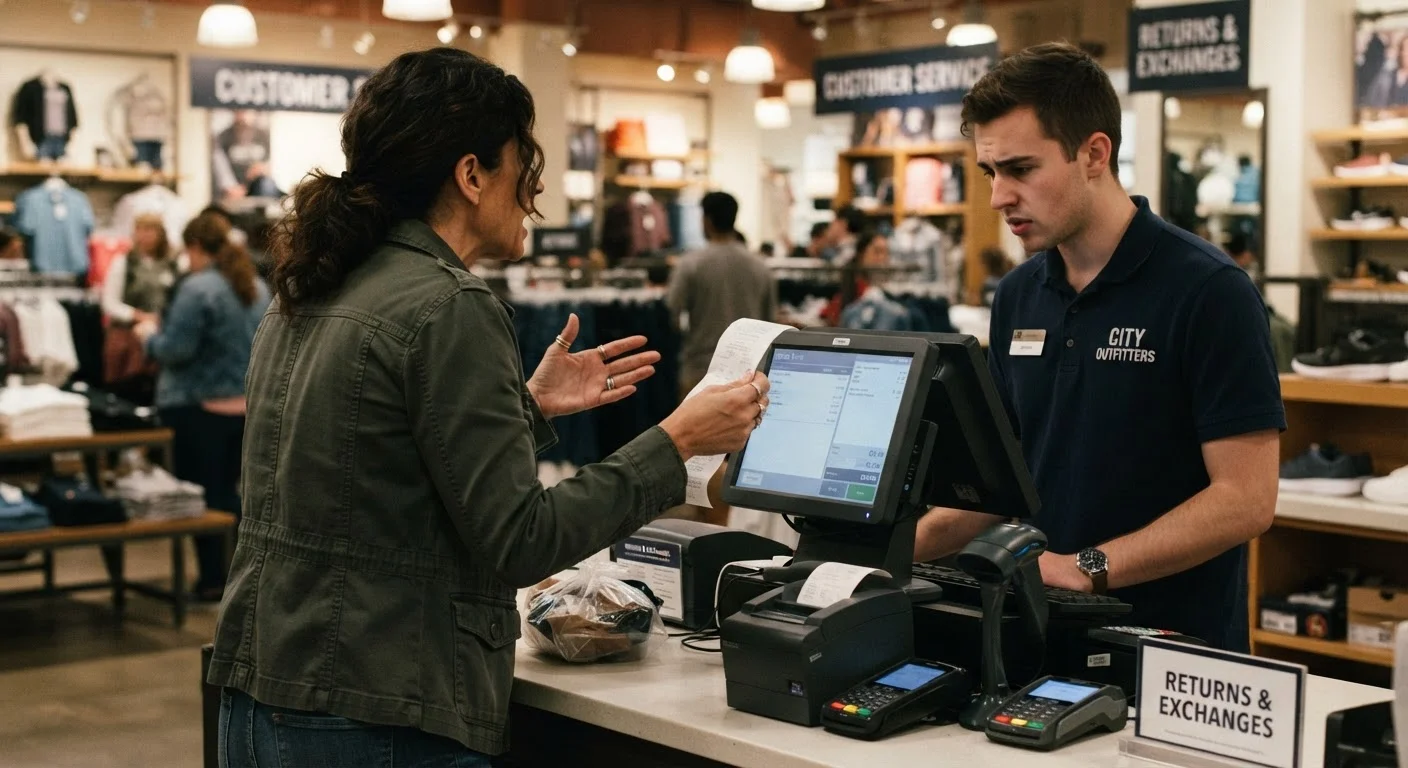
Photo credit: TrendingExperts.net
Many shoppers accept bad outcomes because of false assumptions. We separate common consumer rights myths from what the law actually says.
Key Takeaways
- Retailers are not automatically required by federal law to accept returns, but state laws and store policies create enforceable obligations.
- A chargeback is a legitimate consumer tool, not fraud - federal law explicitly grants this right for disputed credit card transactions.
- Verbal promises from sales staff can be legally binding in certain circumstances, especially when documented.
- You do not need a lawyer to file complaints with the FTC, CFPB, or your state attorney general's office.
- "All sales final" signs do not override your rights when a product is defective or materially misrepresented.
Why Misinformation Costs Shoppers Money
Most consumer disputes never get resolved in the shopper's favor - not because the law is against them, but because they don't realize the law is on their side. False assumptions about what's required, what's allowed, and what's enforceable cause people to walk away from legitimate claims every day.
The myths below are among the most widely believed. Each one has real consequences: returned products kept, faulty goods stuck in drawers, and money left on the table. Understanding what's actually true gives you the standing to push back - and the knowledge to do it effectively. For a broader foundation, see the federal laws that protect American shoppers.
Myth
If a store posts "All Sales Final," you have no recourse whatsoever.
Fact
"All sales final" limits voluntary returns but does not eliminate your rights when a product is defective or was misrepresented at the point of sale.
A store's return policy governs discretionary returns - the kind where you simply changed your mind. It does not override implied warranties under the Uniform Commercial Code (UCC), which has been adopted in some form by every U.S. state. If a product fails to perform its basic, intended function, you generally have a legal basis for a remedy regardless of signage. Similarly, if a product was described inaccurately - wrong specifications, missing features - that can constitute misrepresentation. See what your rights actually are when a store refuses a return for a detailed breakdown.
Myth
Disputing a charge with your credit card company is a form of fraud or abuse.
Fact
Chargebacks are a federally protected consumer right established by the Fair Credit Billing Act (FCBA), not a loophole or a form of dishonesty.
The Fair Credit Billing Act, enacted in 1974, gives consumers the explicit right to dispute billing errors and unauthorized charges with their card issuer. When goods are not delivered as described, or a merchant refuses to provide a legally owed refund, a chargeback is an appropriate and legitimate remedy. Misusing chargebacks for purchases you authorized and received as described is a separate matter - but exercising this right for a genuine dispute is exactly what the law intends. Cardholders typically have 60 days from the statement date to initiate a dispute.
Myth
You need a lawyer to file a consumer complaint or pursue a dispute.
Fact
Most consumer complaint channels - including the FTC, CFPB, and state attorney general offices - are free, accessible online, and require no legal representation.
Filing a complaint with the Federal Trade Commission (FTC) or the Consumer Financial Protection Bureau (CFPB) costs nothing and takes roughly 15 minutes online. State attorneys general offices maintain consumer protection divisions that handle complaints about deceptive practices, warranty violations, and more - again, no attorney required. For monetary disputes under a few thousand dollars, small claims court is specifically designed to be navigated without legal counsel. Attorney fees only become a realistic consideration for complex litigation, which most everyday consumer disputes never reach.
Myth
A warranty only matters if you have the original packaging and receipt.
Fact
Proof of purchase can take many forms, and implied warranties exist independently of written documentation or packaging.
While a receipt helps establish your purchase date, most manufacturers accept bank or credit card statements, order confirmation emails, or other verifiable proof of purchase. More importantly, implied warranties - the legal assurance that a product will do what it's supposed to do - arise automatically under state law and are not dependent on paper documentation. The Magnuson-Moss Warranty Act also imposes specific obligations on written warranties for consumer products sold in the U.S., including rules about how warranty terms must be disclosed. Losing packaging does not forfeit these baseline protections.
Myth
Verbal promises made by salespeople are meaningless - only written contracts count.
Fact
Verbal representations can be legally binding, particularly when they influenced your purchasing decision and can be substantiated.
While written contracts are easier to enforce, verbal assurances are not automatically unenforceable. If a salesperson made a specific, material claim - for example, that a product included certain features, or that a service covered particular scenarios - and that claim influenced your decision to buy, you may have grounds to pursue the seller for misrepresentation or breach of contract. The challenge is documentation: follow up any verbal promise with a confirming email, and keep notes with dates and names. Courts and dispute mediators do weigh verbal evidence, especially when it's corroborated.
How to Actually Use Your Rights
Knowing the law is step one. Using it effectively requires documentation and escalation. Keep receipts, take screenshots of online listings, and save all written communications with sellers. These records are your evidence if a dispute advances beyond a store conversation.
Act Before Deadlines Pass
Consumer rights are not indefinite. Chargeback windows, warranty claim periods, and statutes of limitations all have hard cutoffs. Waiting too long - even when you're clearly in the right - can eliminate your legal options entirely. Document problems as soon as they occur and initiate any dispute process promptly.
If a retailer refuses to honor a clear obligation, your next step is generally a written complaint - first to the company itself, then to your state attorney general's consumer protection office or the Federal Trade Commission. Neither requires a lawyer or filing fees. For disputes involving credit cards, contact your card issuer directly to initiate a chargeback under the Fair Credit Billing Act. For purchases gone seriously wrong, small claims court is a real and accessible option that most people overlook. And before your next major purchase, review the rights that apply when significant money is at stake so you go in prepared.
The most common reason valid complaints fail isn't the law - it's the mistakes made before the complaint is filed. Missed deadlines, missing documentation, and skipping escalation steps all weaken your position. Understanding what undermines consumer complaints before they start can help you avoid those pitfalls entirely.

Author
Shopping Editorial Team
Shopping Editorial Team is the collective byline for our editorial team and contributor network. Articles published under this byline or an editorial pen name are researched, written, and reviewed according to our editorial standards for clarity, consistency, and independence before publication.
View all articles →