
Chargebacks Explained: When and How to Dispute a Credit Card Charge
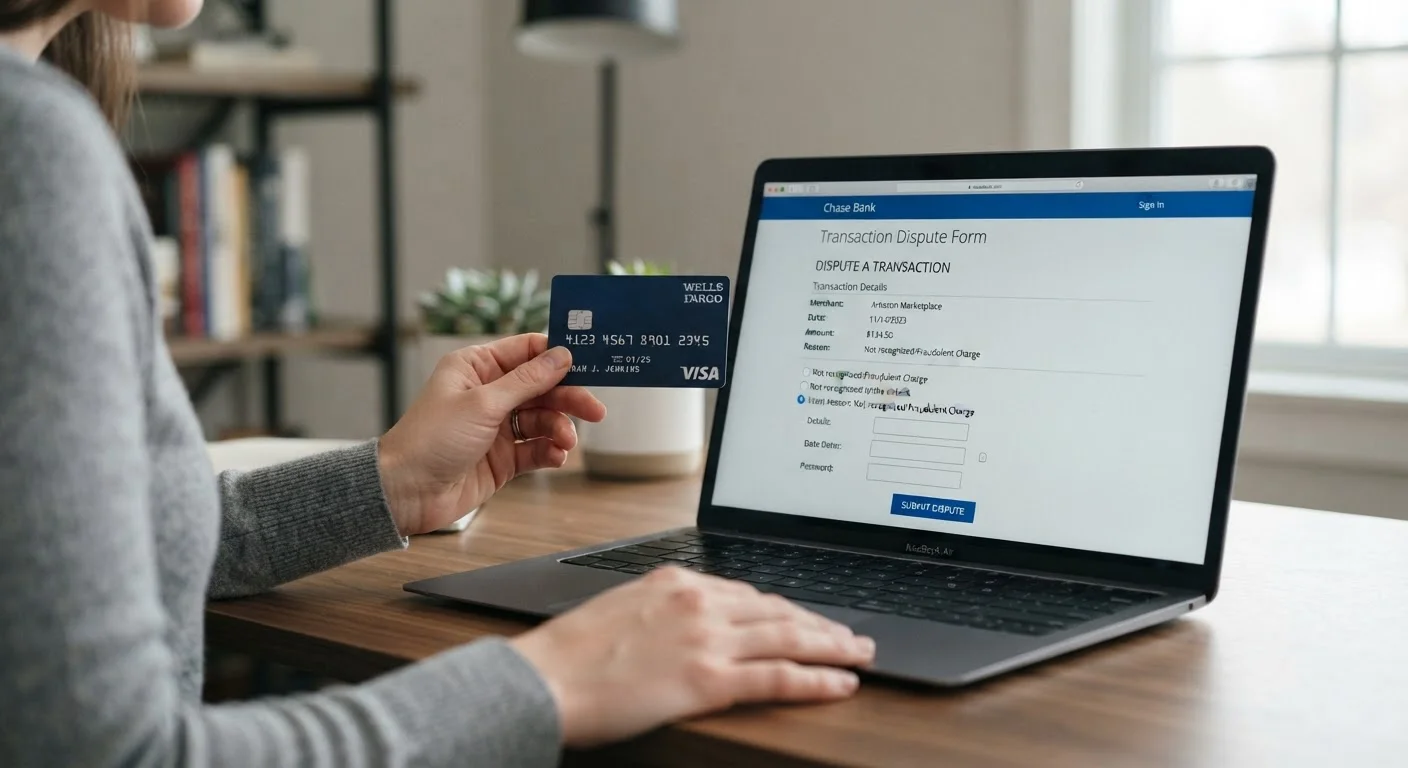
Photo credit: TrendingExperts.net
In this article
A chargeback can reverse an unfair charge — but timing and documentation matter. Here's how the process works and what it can realistically resolve.
Key Takeaways
- A chargeback is a consumer protection mechanism that can reverse a credit card charge through your card issuer.
- Valid reasons include unauthorized charges, items not received, and goods significantly not as described.
- Time limits are strict - most issuers require disputes to be filed within 60 days of the statement date.
- Gathering documentation before contacting your issuer significantly strengthens your case.
- Chargebacks are not guaranteed reversals - the issuer investigates and may side with the merchant.
What a Chargeback Actually Is
A chargeback is a formal reversal of a credit card transaction initiated by the cardholder's bank, not by the merchant. It differs from a refund, which the merchant controls and can issue voluntarily. With a chargeback, the card issuer steps in as an intermediary, investigates the claim, and can forcibly return funds from the merchant's account to yours if the dispute is upheld.
This protection exists largely because of the Fair Credit Billing Act (FCBA), a U.S. federal law that gives consumers the right to dispute billing errors on credit card accounts. Understanding how and when to use this right is part of being an informed consumer. For a broader look at the protections available to shoppers, see our guide to consumer rights before a big purchase.
Time Limits Are Non-Negotiable
Most credit card issuers require you to dispute a charge within 60 days of the statement date on which it appeared. Some card networks allow up to 120 days depending on the dispute type, but waiting assumes risk. Missing the deadline typically forfeits your right to a chargeback entirely, so act promptly once you identify a problem.
Chargebacks are specific to credit cards. Debit card disputes follow a different process under Regulation E and generally carry fewer guaranteed protections, so it is worth understanding which type of card you used before proceeding.
What You'll Need Before You Start
What you will need
Credit card statement or billing summary
Used to identify the exact charge amount, date, and merchant name for the dispute form.
Merchant correspondence records
Emails, chat logs, or written receipts showing your attempt to resolve the issue directly.
Photos or screenshots of the product or service
Visual evidence that goods were not as described or were damaged upon arrival.
Shipping or tracking documentation
Proof that an item was not delivered or was returned, supporting non-receipt disputes.
How to File a Chargeback: Step by Step
Confirm the charge and identify the dispute reason
Review your statement carefully. Confirm the charge amount, merchant name, and transaction date. Then categorize why you are disputing it. Common valid reasons include:
- Unauthorized charge: You did not make or authorize the transaction.
- Item not received: You paid but the goods or service was never delivered.
- Item significantly not as described: What arrived differed materially from what was advertised.
- Duplicate charge: You were billed more than once for the same transaction.
- Credit not processed: A merchant promised a refund that never appeared.
Your reason matters because card networks (Visa, Mastercard, etc.) assign specific dispute codes that govern the investigation process.
Contact the merchant first
Before filing a chargeback, reach out to the merchant directly. Many card issuers require evidence that you attempted resolution, and merchants can often issue refunds faster than the chargeback process allows. Contact customer service by email or phone, state your issue clearly, and request a resolution in writing.
Give the merchant a reasonable window - typically 5 to 10 business days - to respond before escalating.
Gather your supporting documentation
Compile everything relevant before contacting your issuer:
- Order confirmation or receipt
- Any merchant communication (emails, chat transcripts)
- Shipping or tracking records
- Photos if the item was damaged or misrepresented
- Screenshots of the product listing or advertisement
The strength of your documentation often determines the outcome of the investigation.
File the dispute with your card issuer
Contact your card issuer through the method that creates a clear record - the online portal dispute form is often best. You can also call the number on the back of your card, but follow up in writing if you do. Provide:
- The exact charge amount and date
- The merchant name
- Your reason for disputing
- A concise summary of what happened
Upload or mail copies (not originals) of your supporting documents. The issuer will assign a case number - record it.
Respond to any issuer requests promptly
After filing, the issuer will typically issue a provisional credit to your account while the investigation proceeds. The merchant then has an opportunity to rebut your claim with their own evidence. If the issuer requests additional information from you, respond within the timeframe given - failure to do so can result in the dispute being closed in the merchant's favor.
Review the final decision
The issuer will notify you of the outcome, typically within 30 to 90 days. If the dispute is resolved in your favor, the provisional credit becomes permanent. If the merchant wins the dispute, the credit is reversed and you will be notified. In some cases, you can appeal or provide additional evidence, depending on your issuer's policies.
If the dispute fails and you believe the decision was incorrect, you may have the option to escalate through your state's consumer protection office or the Consumer Financial Protection Bureau (CFPB).
Keep a Dispute Paper Trail
Save all correspondence with the merchant - emails, chat transcripts, return tracking numbers, and screenshots. If the issuer opens an investigation, this documentation becomes your primary evidence. Organized records often determine whether a dispute is resolved in your favor.
What Chargebacks Can and Cannot Resolve
Chargebacks are a meaningful but limited tool. They work well for clear-cut cases: fraudulent charges, non-delivered goods, and duplicate billing. They are less reliable for disputes that hinge on subjective quality judgments - for instance, arguing that a service was poor rather than entirely undelivered.
Avoid 'Friendly Fraud'
Filing a chargeback for a legitimate charge - for example, disputing a purchase you actually received and approved - is considered fraud. Card issuers track dispute patterns, and repeated or unfounded chargebacks can result in account restrictions or closure. Only dispute charges you have a genuine, documented reason to contest.
Keep in mind that a chargeback initiates an investigation, not an automatic refund. The merchant has the right to contest your claim, and the card network's rules - not your preference - determine the outcome. Approaching the process with accurate documentation and a clear, factual narrative gives your dispute the strongest possible footing.

Author
Shopping Editorial Team
Shopping Editorial Team is the collective byline for our editorial team and contributor network. Articles published under this byline or an editorial pen name are researched, written, and reviewed according to our editorial standards for clarity, consistency, and independence before publication.
View all articles →