
Foods That Are Genuinely High in Iron - and How to Get More From Each
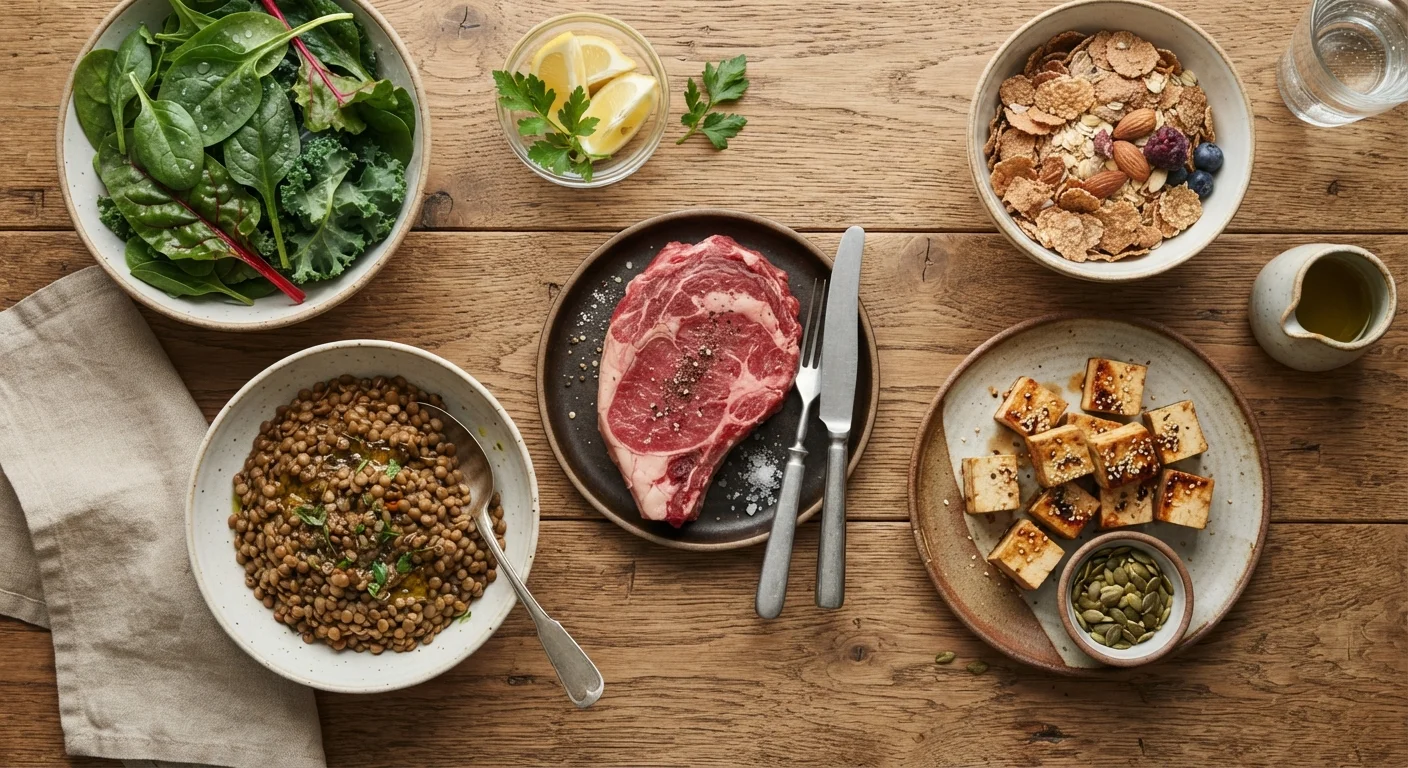
Photo credit: TrendingExperts.net
In this article
Iron deficiency is one of the most common nutrient shortfalls. This list covers both animal and plant sources, plus what affects absorption.
Key Takeaways
- Iron comes in two forms - heme (animal-based) and non-heme (plant-based) - with different absorption rates.
- Pairing plant-based iron sources with vitamin C significantly improves how much your body absorbs.
- Common inhibitors like coffee, tea, and calcium can reduce iron absorption when consumed with meals.
- Cooking in cast-iron cookware and soaking legumes are simple strategies that can meaningfully boost iron intake.
- Anyone concerned about iron deficiency should consult a healthcare provider before supplementing.
Why Iron Intake Deserves Attention
Iron deficiency is the most widespread nutritional shortfall worldwide, and it's common in the United States - particularly among women of reproductive age, pregnant individuals, and young children. Iron is essential for producing hemoglobin, the protein in red blood cells that carries oxygen throughout your body. Without adequate iron, energy levels, cognitive function, and immune response can all suffer.
Not all dietary iron works the same way. Heme iron, found in animal products, is absorbed efficiently - roughly 15-35% of what you eat. Non-heme iron, from plant foods and fortified products, is absorbed at a lower rate (2-20%), but can be meaningfully increased with the right food pairings and preparation techniques. For a broader look at how iron fits into your overall nutrient picture, see our practical micronutrient reference.
Heme vs. Non-Heme Iron: A Quick Distinction
Heme iron is found exclusively in animal products - meat, poultry, and seafood - and is absorbed more readily by the body. Non-heme iron is present in plant foods, fortified products, and eggs. Most people get a mix of both. Vegetarians and vegans rely entirely on non-heme sources, which makes strategic food pairing and preparation especially important for meeting daily needs.
Top Iron-Rich Foods and How to Get More From Each
Beef liver
Organ meats - particularly beef liver - are among the most concentrated sources of heme iron available, providing roughly 5-6 mg per 3-ounce cooked serving. That's a substantial portion of the recommended daily intake for most adults (8 mg for men and postmenopausal women; 18 mg for premenopausal women).
How to get more from it: Pair with a squeeze of lemon juice or a vitamin C-rich side like roasted red peppers to maximize absorption. If the flavor is a barrier, try blending small amounts into ground meat dishes like meatballs or meat sauce.
Beef liver provides roughly 5-6 mg of heme iron per 3-ounce serving - one of the most concentrated food sources available.
Cooked lentils
Lentils are a standout plant-based iron source, delivering around 3.3 mg per half-cup cooked serving. They're also high in fiber, folate, and protein, making them a nutritionally dense choice for vegetarians and omnivores alike.
How to get more from it: Soak dried lentils for several hours before cooking to reduce phytates - compounds that can inhibit iron absorption. Serve your lentil soup with a side of tomatoes or a splash of lemon juice to pair non-heme iron with vitamin C.
Soaking lentils before cooking reduces phytates, improving how much of their iron your body can actually absorb.
Canned white beans
White beans (such as navy or cannellini beans) offer approximately 3.9 mg of non-heme iron per half-cup cooked serving - among the highest of any legume. Canned varieties are convenient and retain their iron content well.
How to get more from it: Rinse canned beans thoroughly to reduce sodium, then add them to soups, stews, or salads alongside iron-absorption enhancers like tomatoes or red bell pepper strips.
White beans offer nearly 4 mg of iron per half-cup - one of the highest iron counts among plant foods.
Tofu
Firm tofu provides roughly 3 mg of non-heme iron per half-cup serving. It's also a complete protein source, making it particularly valuable for people eating little or no meat. Iron content can vary slightly by brand and preparation method.
How to get more from it: Stir-fry tofu with broccoli and a splash of lemon or add it to tomato-based sauces. Avoid preparing it alongside high-calcium foods (like dairy-based sauces) in the same meal if iron absorption is a priority.
Pairing tofu with vitamin C-rich vegetables rather than calcium-heavy foods can meaningfully improve iron uptake.
Fortified breakfast cereals
Many ready-to-eat cereals are fortified with 100% of the daily value for iron (18 mg) per serving, making them one of the most accessible ways to meet iron needs - especially for people who don't eat meat. Check the nutrition facts label, as iron content varies widely between products.
How to get more from it: Pair fortified cereal with a small glass of orange juice rather than milk at the same meal. The vitamin C in juice boosts non-heme iron absorption, while the calcium in milk can mildly inhibit it.
Pairing fortified cereal with orange juice rather than milk at breakfast is a simple swap that supports better iron absorption.
Pumpkin seeds
One ounce of roasted pumpkin seeds (pepitas) contains approximately 2.5 mg of non-heme iron. They're also a good source of magnesium, zinc, and healthy fats, making them an easy, portable snack.
How to get more from it: Sprinkle pumpkin seeds over salads that include a citrus-based vinaigrette, or mix them into trail mix with dried fruit like raisins, which contain a modest amount of iron themselves.
Sprinkling pumpkin seeds over citrus-dressed salads combines convenience with a practical absorption-boosting strategy.
Cooked spinach
Cooked spinach delivers around 3.2 mg of non-heme iron per half-cup serving. Cooking concentrates the iron content compared to raw spinach and reduces oxalates - naturally occurring compounds that can bind to iron and limit absorption.
How to get more from it: Sauté spinach with garlic and finish with a squeeze of lemon juice. Avoid drinking tea or coffee in the hour after eating to preserve absorption. Cooking in a cast-iron skillet can also add a small but meaningful amount of dietary iron.
Cooking spinach reduces oxalates and concentrates its iron, making cooked spinach a more effective source than raw.
Try Cooking in a Cast-Iron Skillet
Research suggests that cooking acidic foods - like tomato sauce or scrambled eggs with lemon - in a cast-iron skillet can transfer small but meaningful amounts of iron into the food itself. It's not a substitute for eating iron-rich foods, but it's an easy, low-effort way to add a bit more to everyday meals.
Making the Most of What You Eat
Knowing which foods are iron-rich is only part of the picture. How and when you eat them matters too. Consuming iron-rich foods alongside vitamin C sources - like bell peppers, citrus juice, or tomatoes - can substantially increase non-heme iron absorption. Conversely, drinking coffee or tea within an hour of an iron-rich meal, or eating high-calcium foods at the same time, can inhibit uptake.
If you suspect you're not getting enough iron, a simple blood test from your healthcare provider can clarify your status. Self-supplementing with high-dose iron without medical guidance is not recommended, as excess iron can cause harm. A registered dietitian can help you build a sustainable, food-first approach tailored to your needs.
This article is for general informational purposes only and does not constitute medical or nutritional advice. Consult a qualified healthcare professional for guidance on your individual health needs.

Author
Health Editorial Team
Health Editorial Team is the collective byline for our editorial team and contributor network. Articles published under this byline or an editorial pen name are researched, written, and reviewed according to our editorial standards for clarity, consistency, and independence before publication.
View all articles →