
The Relationship Between Sleep and Mental Health
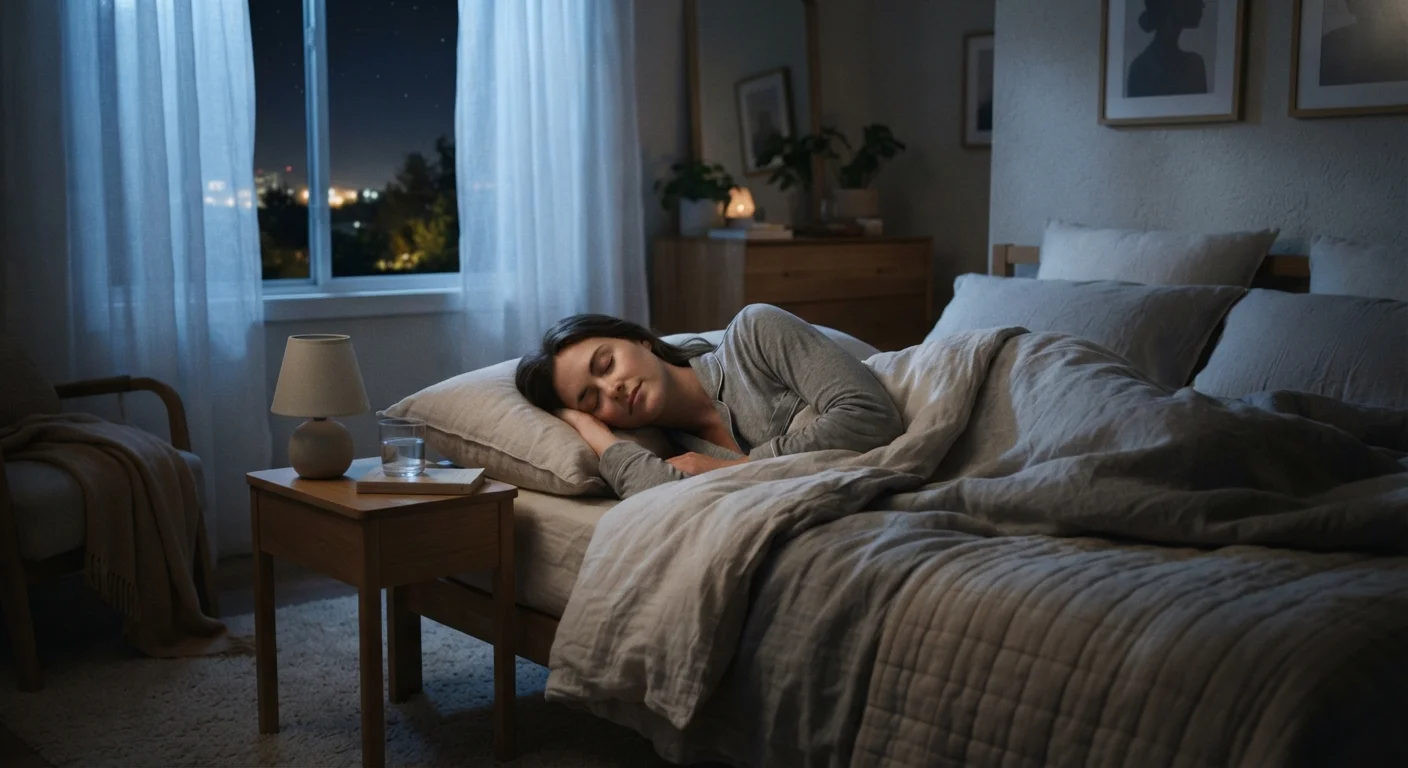
Photo credit: TrendingExperts.net
In this article
Sleep and mental health influence each other in complex ways. This explainer breaks down what researchers understand about the connection and why it matters.
Key Takeaways
- Sleep and mental health influence each other in both directions - neither is simply a cause or an effect.
- Chronic sleep problems are associated with higher rates of anxiety, depression, and mood disorders.
- Mental health conditions like depression and PTSD frequently disrupt sleep architecture and duration.
- Addressing sleep issues is often an important part of comprehensive mental health care.
- Improving sleep habits can have measurable positive effects on mood and emotional regulation.
- Anyone experiencing persistent sleep difficulties alongside mood changes should consult a healthcare professional.
Why the Connection Matters
Sleep is not simply a passive state of rest - it is an active biological process during which the brain consolidates memories, regulates hormones, and processes emotions. When sleep is disrupted consistently, these functions are compromised in ways that extend well beyond daytime fatigue.
For anyone wanting to understand mental health more broadly, recognizing the role of sleep is foundational. As explored in our introduction to mental health, emotional and cognitive wellbeing depend on a range of interconnected factors - and sleep sits near the center of that network.
Public health researchers consistently find that sleep disturbances are among the most common complaints reported alongside mental health conditions, making this one of the clearest intersections between physical and mental wellbeing.
~1 in 3
Adults reporting insufficient sleep regularly
The CDC has identified insufficient sleep as a public health concern, with surveys indicating roughly one-third of U.S. adults regularly sleep less than the recommended amount.
75%
People with depression who also report insomnia symptoms
Research published in peer-reviewed psychiatric literature consistently finds that the majority of people diagnosed with depression report significant sleep disturbances.
2x
Increased risk of depression with chronic insomnia
Multiple longitudinal studies suggest that people with chronic insomnia face approximately double the risk of developing depression compared to those without sleep difficulties.
How Sleep Affects Mental Health
During deep and REM sleep stages, the brain regulates the production of neurotransmitters - chemical messengers like serotonin and dopamine - that are closely tied to mood stability. When sleep is shortened or fragmented, this regulation falters.
Studies have found that even a single night of inadequate sleep can increase emotional reactivity, reduce the ability to manage stress, and heighten negative thinking patterns. Over time, these effects compound. Chronic sleep deprivation has been associated with elevated risk of developing clinical anxiety, depression, and, in some populations, increased risk of suicidal ideation - though the relationship is complex and influenced by many factors.
Sleep also plays a direct role in the brain's ability to process fear and threat responses. The amygdala - a region central to emotional processing - becomes more reactive when sleep is insufficient, which may help explain why anxiety symptoms often worsen alongside poor sleep.
How Mental Health Conditions Affect Sleep
The relationship runs equally in the other direction. Many diagnosable mental health conditions actively interfere with sleep architecture - the natural sequence of sleep stages the brain cycles through each night.
- Depression is associated with both insomnia and excessive sleeping (hypersomnia), and changes in REM sleep patterns are frequently observed in people with the condition.
- Anxiety disorders often produce racing thoughts and physical tension that make falling asleep difficult, or cause people to wake frequently during the night.
- Post-traumatic stress disorder (PTSD) is strongly linked to nightmares and fragmented sleep, which can perpetuate trauma-related distress during waking hours.
- Bipolar disorder involves significant sleep disruption during both depressive and manic episodes, with reduced need for sleep often appearing as an early sign of a manic phase.
This bidirectional dynamic means that sleep problems and mental health conditions can reinforce each other in a cycle that is difficult to interrupt without addressing both simultaneously.
Talk to a Professional About Persistent Problems
If you have experienced sleep difficulties lasting more than a few weeks, or if you notice changes in mood, motivation, or daily functioning alongside sleep problems, a healthcare provider can help assess what may be going on. CBT-I (Cognitive Behavioral Therapy for Insomnia) is a well-researched, non-medication approach worth asking about. Self-help strategies can support good sleep, but they are not a substitute for professional evaluation when symptoms are persistent or severe.
What This Means in Everyday Life
Understanding this connection has practical implications. Sleep is not a luxury or a sign of laziness - it is a biological necessity with direct consequences for emotional health. Workplace environments that demand long hours or penalize rest can inadvertently undermine employee wellbeing in ways that reach beyond productivity. Research on supporting mental health at work increasingly points to sustainable work rhythms as a meaningful protective factor.
For individuals, being aware of the sleep-mental health link can reduce self-blame. A person who feels persistently anxious or low may not immediately connect that experience to disrupted sleep - and vice versa. Recognizing the cycle is the first step toward seeking appropriate support.
General strategies researchers associate with better sleep include consistent sleep schedules, limiting screen exposure before bed, and reducing caffeine in the afternoon - though what works varies by individual. Cognitive behavioral therapy for insomnia (CBT-I) is one of the most evidence-supported approaches for chronic sleep problems and has shown benefits for mood as well.
This article is for general informational and educational purposes only and is not a substitute for professional medical or mental health advice. If you are experiencing sleep problems, mood changes, or related symptoms, please consult a qualified healthcare professional.
Frequently Asked Questions

Author
Health Editorial Team
Health Editorial Team is the collective byline for our editorial team and contributor network. Articles published under this byline or an editorial pen name are researched, written, and reviewed according to our editorial standards for clarity, consistency, and independence before publication.
View all articles →