
The Real Difference Between Deodorant and Antiperspirant
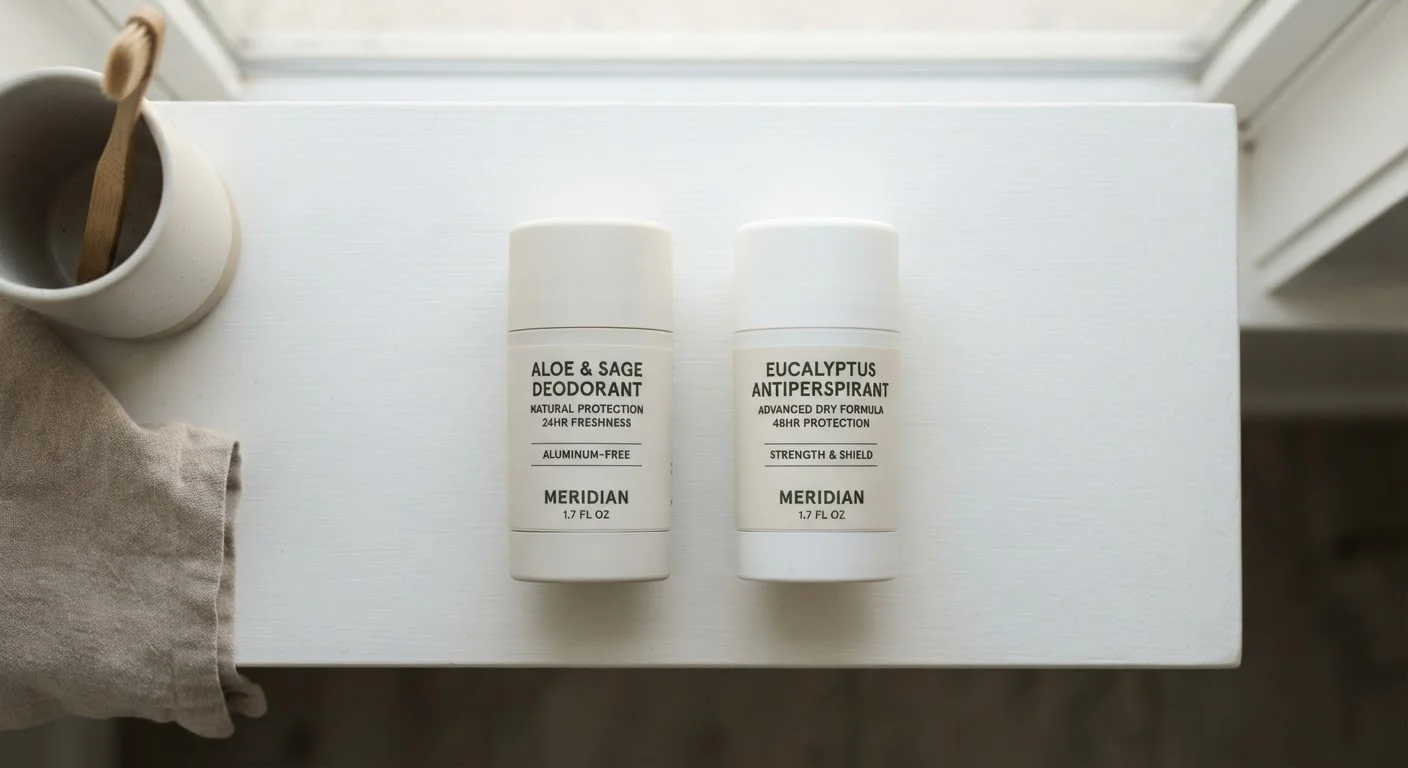
Photo credit: TrendingExperts.net
In this article
Deodorant and antiperspirant are often used interchangeably, but they work differently. Here's what separates them and when each one makes sense.
Key Takeaways
- Deodorant fights odor; antiperspirant reduces sweating at the source.
- Sweat itself is mostly odorless - the smell comes from bacteria on your skin.
- Antiperspirants are FDA-regulated as drugs due to their active aluminum-based ingredients.
- Neither product is universally superior - the right choice depends on your body and lifestyle.
- Some products combine both functions, but they still rely on the same distinct mechanisms.
- People with certain skin sensitivities may respond differently to each formula type.
Why Sweat Smells - and Why That Matters
Sweat itself is largely odorless. The smell that most people associate with perspiration is produced when bacteria that naturally live on your skin break down compounds in sweat - particularly in areas like the underarms, where eccrine and apocrine glands are both active. Apocrine glands, which become active after puberty, secrete a richer fluid that bacteria metabolize into the compounds responsible for body odor.
Understanding this distinction is the foundation for choosing the right product. If your primary concern is smell, you need something that targets those bacteria or neutralizes the odor compounds they produce. If your concern is wetness - visible dampness, discomfort, or sweat-related skin irritation - you need something that addresses the sweating itself. These are different problems, and deodorant and antiperspirant are designed to solve them separately.
The FDA Draws a Clear Line
In the United States, the FDA classifies antiperspirants as over-the-counter drugs and deodorants as cosmetics. This isn't just a technicality - it means antiperspirants must meet defined efficacy and safety standards before they reach store shelves, while deodorants are held to cosmetic safety regulations. Reading product labels carefully will tell you which category a product belongs to.
How Deodorant Works
Deodorants work by creating an environment that is hostile to odor-causing bacteria, or by neutralizing the compounds those bacteria produce. Common active approaches include:
- Antimicrobial agents - ingredients like triclosan or ethanol that inhibit bacterial growth on the skin's surface
- Odor neutralizers - compounds such as baking soda or zinc that chemically neutralize odor molecules
- Fragrance - added to mask residual odor rather than eliminate its source
Because deodorant does not interfere with sweat production, it is classified as a cosmetic product in the United States - it changes how you smell, not how your body functions. This is a meaningful distinction for people who prefer to avoid drug-classified products, or whose skin is sensitive to stronger formulas. For more on how cleansing routines interact with skin type, see our guide on bar soap vs. body wash.
How Antiperspirant Works
Antiperspirant takes a physiological approach. Its active ingredients - aluminum-based salts such as aluminum chlorohydrate or aluminum zirconium tetrachlorohydrex - dissolve into a gel-like substance when they contact moisture on the skin's surface. This gel temporarily blocks the sweat duct opening, reducing the amount of sweat that reaches the skin.
Because this mechanism physically alters a body function, the FDA classifies antiperspirants as over-the-counter drugs, subjecting them to different regulatory standards than cosmetics. The active ingredient concentration must fall within defined limits, and label claims are regulated accordingly.
Apply Antiperspirant at Night for Best Results
Most dermatologists suggest applying antiperspirant before bed rather than in the morning. Sweat gland activity is lower during sleep, giving the aluminum compounds time to form an effective barrier. You can still apply deodorant in the morning for added freshness without undermining the antiperspirant's work.
It's worth noting that some individuals experience mild skin irritation from aluminum-based compounds, particularly if they shave their underarms regularly. This is because shaving can create micro-abrasions that increase ingredient absorption and sensitivity. People with reactive skin may benefit from allowing 24 hours between shaving and antiperspirant application. For individuals experiencing persistent or unusual skin responses, consulting a dermatologist is advisable.
Choosing Based on What Your Body Actually Needs
The right choice is individual. A few practical considerations can guide the decision:
- Odor without significant wetness: A deodorant - including aluminum-free options - may be entirely sufficient.
- Noticeable sweating that causes discomfort or embarrassment: Antiperspirant is the more targeted tool.
- Both concerns: Combination products labeled "antiperspirant/deodorant" address both, though the mechanisms remain the same - aluminum controls sweat, antimicrobial or fragrance elements handle odor.
Physical activity level also matters. During high-intensity exercise, even a strong antiperspirant may not fully control sweating, since the body's cooling system is working hard. For context on how your body regulates itself differently during different types of exercise, our explainer on aerobic vs. anaerobic exercise provides useful background.
~90%
U.S. adults who use underarm products regularly
Market research consistently shows underarm care products among the most widely used personal care items in the United States.
3%
Population estimated to have hyperhidrosis
The International Hyperhidrosis Society estimates roughly 3% of the global population experiences excessive sweating significant enough to warrant medical attention.
If sweating is severe enough to disrupt daily activities - soaking through clothing, occurring regardless of temperature or activity - that pattern may indicate hyperhidrosis, a recognized medical condition. A healthcare provider can offer appropriate evaluation and discuss treatment options beyond over-the-counter products.
This article is for informational purposes only and does not constitute medical advice. Consult a qualified healthcare professional for personal health concerns or before changing your personal care routine if you have underlying skin conditions or sensitivities.
Frequently Asked Questions

Author
Beauty Editorial Team
Beauty Editorial Team is the collective byline for our editorial team and contributor network. Articles published under this byline or an editorial pen name are researched, written, and reviewed according to our editorial standards for clarity, consistency, and independence before publication.
View all articles →